The Beginner's Gateway: Demystifying the Arabic Alphabet and Quranic Script
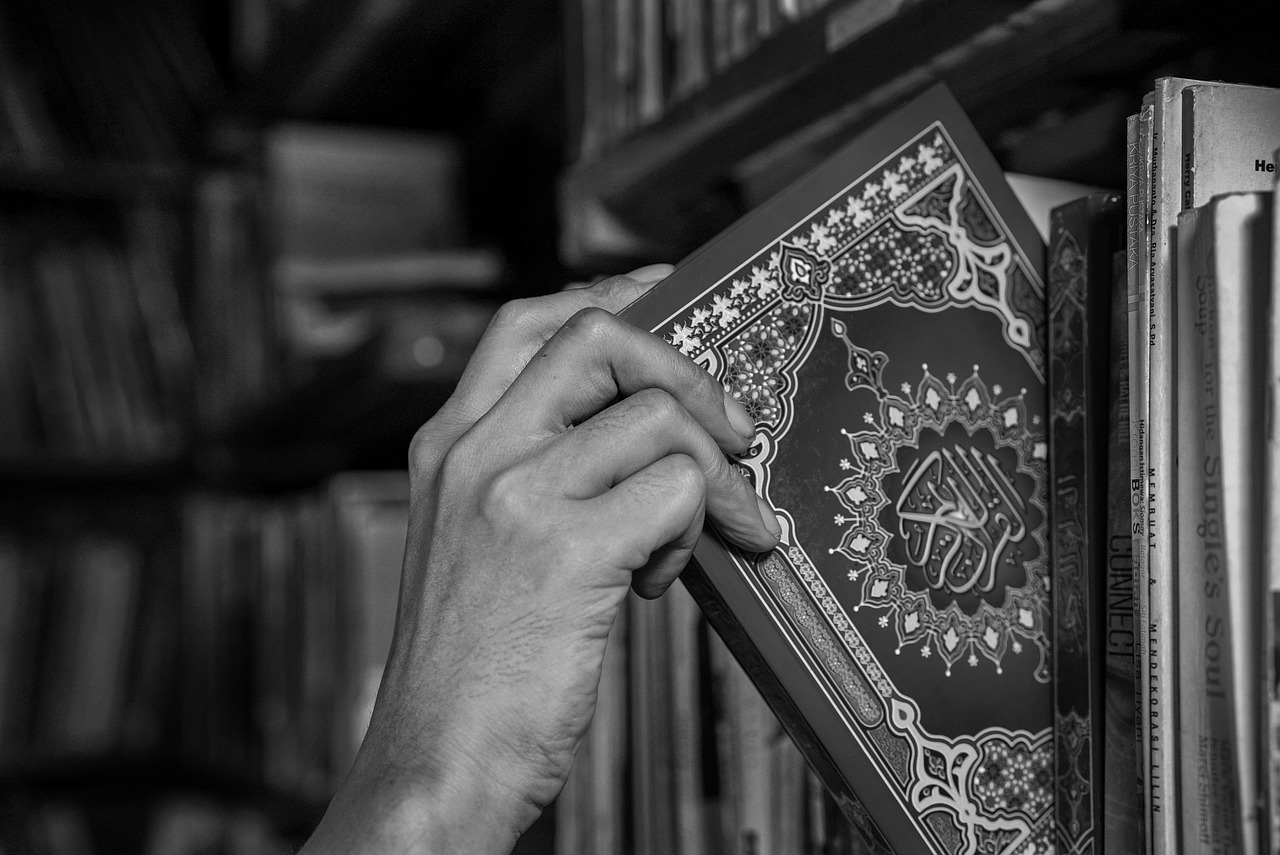
For someone who has never studied Arabic, looking at a page of the Holy Quran can feel intimidating. The Arabic writing system reads from right to left, letters change their shape depending on whether they appear at the beginning, middle, or end of a word, and short vowels appear as diacritical marks floating above and below consonants.
Our beginner curriculum breaks down this seemingly complex system into small, digestible, sequential micro-lessons. We demystify each component step-by-step: first mastering the 28 isolated consonants, then understanding connection rules, then introducing the basic vowel sounds (Fatha, Kasra, and Dammah). Within just a few structured sessions, unfamiliar symbols transform into clear, readable words.
The Proven Noorani Qaida Methodology
Our foundational reading track utilizes the time-tested Noorani Qaida primer—the gold standard of Quranic phonetics used across the Muslim world for over a century. The Qaida is engineered with mathematical progression:
1. Single Letter Phonetics: Isolating the distinct sound and articulation zone (Makhraj) of all 28 Arabic letters. 2. Composite Letter Shapes: Learning how letters connect and identifying letters by their unique dot arrangements rather than body shapes. 3. Harakat (Short Vowels): Pronouncing the fundamental vocalizations 'a', 'i', and 'u' with crisp brevity to avoid accidental elongation. 4. Tanween (Double Vowels): Recognizing the hidden 'Noon' sound in word endings. 5. Sukoon & Shaddah: Mastering consonant pauses, doubled letters, and syllable rhythm. 6. Word Synthesis: Reading multi-syllable words selected directly from authentic Quranic verses.
Building Correct Pronunciation Habits from Day One
The most common challenge in Quranic reading is that several Arabic letters have no direct equivalent in English or European languages—such as the emphatic Dhad (ض), the deep throat Qaf (ق), and the mid-throat Ayn (ع). Untrained beginners often substitute familiar English approximations, turning 'Qalb' (heart) into 'Kalb' (dog) or 'Alim' (knower) into 'Aleem' (painful).
In our beginner classes, instructors train your vocal muscles correctly from the very first lesson. Through live visual demonstration, anatomical tongue guidance, and patient vocal mirroring, you develop accurate articulation before incorrect pronunciation patterns can take root.
Transitioning from the Primer to the Holy Mushaf
The crowning achievement of our beginner program is the transition from the training primer into the actual Mushaf. Students do not wait until they have memorized hundreds of theoretical rules before reading sacred scripture. Once the Noorani Qaida is completed, students begin reading directly from Juz Amma, starting with Surah Al-Fatihah, Surah Al-Ikhlas, and the short concluding Surahs of the Quran.
Experiencing the joy of reading the actual words of Allah directly from the page provides an immense boost in confidence, motivation, and spiritual fulfillment.